
Ellis Learning
Guides the training content and instructional approach, grounding EllisXR in lifeguard education and the needs of aquatic facilities.
About EllisXR
EllisXR brings learners into realistic work environments to practice job-specific skills and make decisions as conditions change.
A spatial learning product owned by Ellis Learning, a subsidiary of Ellis International.
The people behind EllisXR
Guides the training content and instructional approach, grounding EllisXR in lifeguard education and the needs of aquatic facilities.
Supports application development and technical delivery, including headset provisioning and device management.
Our shared purpose is to support the lifeguards and instructors entrusted with helping keep people safe around water. We want immersive learning to give them more opportunities to prepare, reflect and learn together.
Why immersive practice?
Some skills are easier to teach when learners can see a situation unfold around them. Each EllisXR experience is built around a specific learning objective, giving participants a chance to practice and instructors a concrete starting point for feedback.
The learning continues in the debrief: what did the learner notice, what drew their attention, and what led them to respond?
Our first application
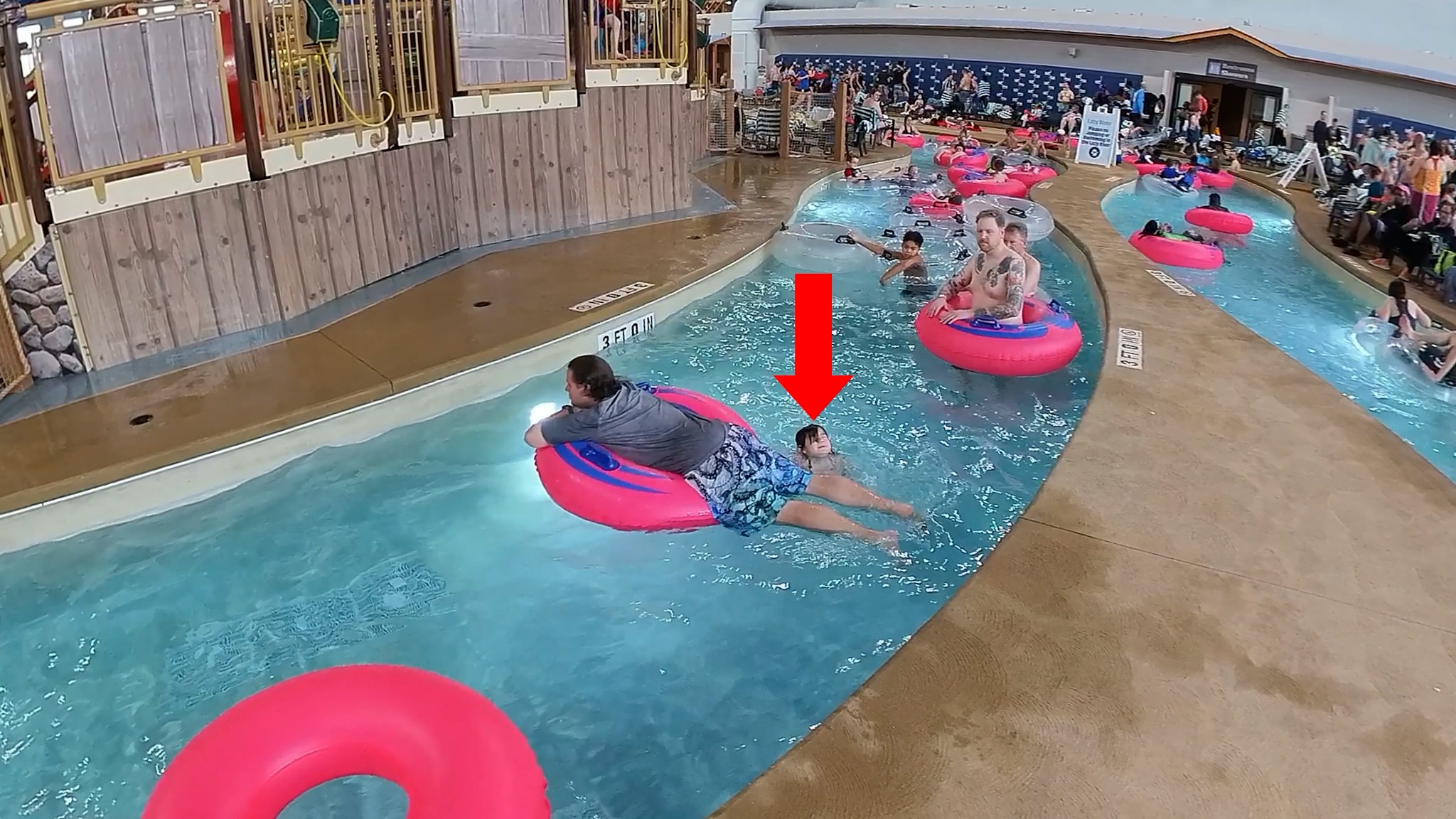
From a lifeguard duty station, participants get a 360-degree view of a real aquatic environment. Wearing a VR headset, they scan their assigned area as guests move, bather loads vary and everyday distractions compete for their attention.
They practice recognizing signs of distress and deciding when to respond. A subtle change in a guest’s behavior becomes a specific moment for an instructor to explore and coach.
Designed for lifeguard candidates, working lifeguards, and the instructors and aquatic supervisors who train them.
Built for your training program
EllisXR is for organizations, educators and training teams bringing immersive practice into their learning programs. Its first application supports lifeguard learning in three practical ways.
Prepare
Give new candidates and returning lifeguards practice scanning from a duty station and identifying cues that warrant a response.
Keep practicing
Use a scenario to discuss how guest activity, changing bather loads and distractions affect where lifeguards focus their attention.
Focus
Work on scanning the full assigned area or recognizing a subtle change in behavior. Provide additional practice, remediation and corrective coaching in a controlled learning environment.
For lifeguard instructors
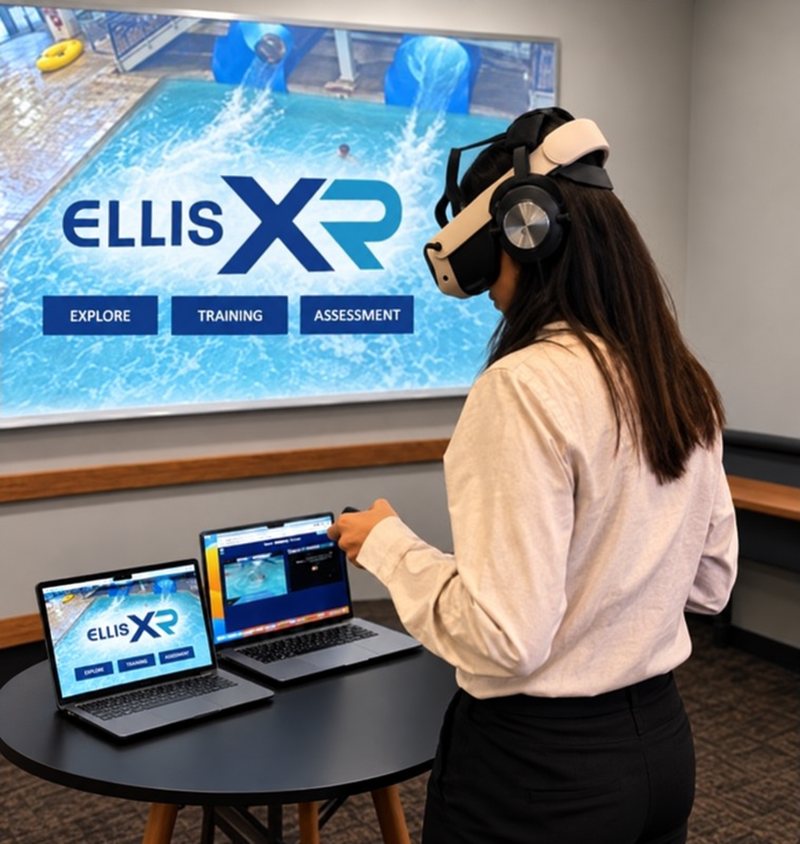
Share the participant’s headset view with the group. After the exercise, ask what each person noticed and which cues prompted a response.
Explore the equipment options or talk with our team about your training program.